Blackjack Fundamentals: A Foundation for New Players
Get to grips with blackjack basics — card values, player actions, core strategy points and pitfalls to avoid. Everything you need to sit down and play with confidence.
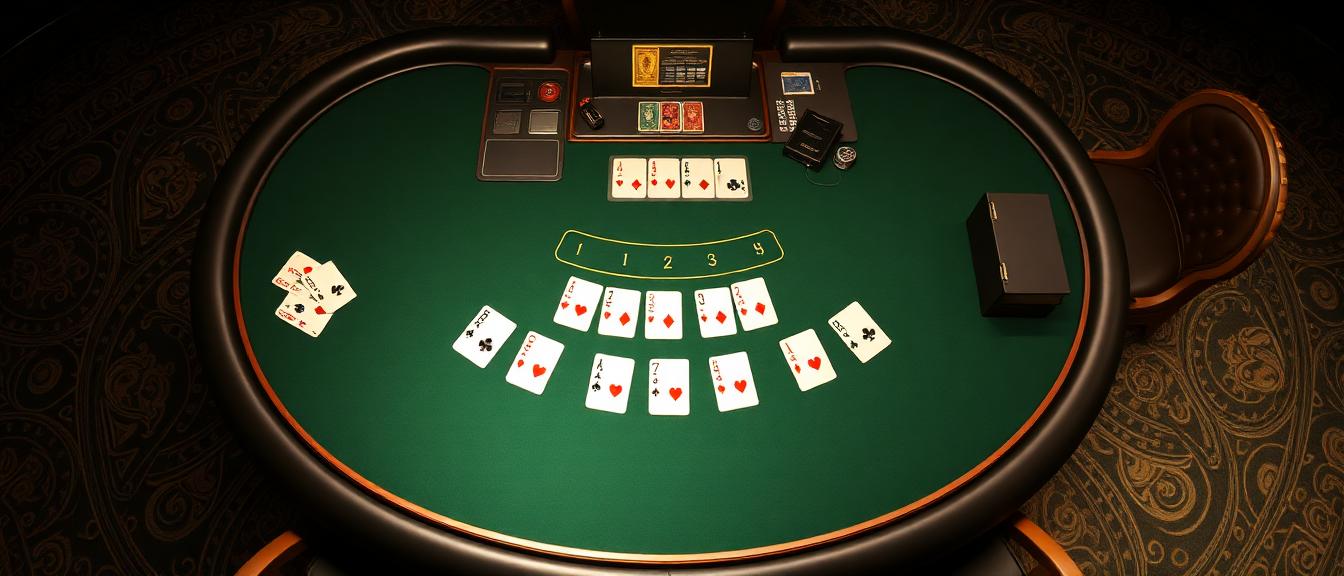
The Objective of Blackjack
Blackjack is elegantly simple in concept: beat the dealer by assembling a hand value closer to 21 without going over. Exceed 21 and you bust — an immediate loss regardless of what the dealer holds.
How Cards Are Valued
- Number cards (2–10): Worth their face value - Face cards (J, Q, K): Each worth 10 - Aces: Count as 1 or 11, whichever benefits your hand most
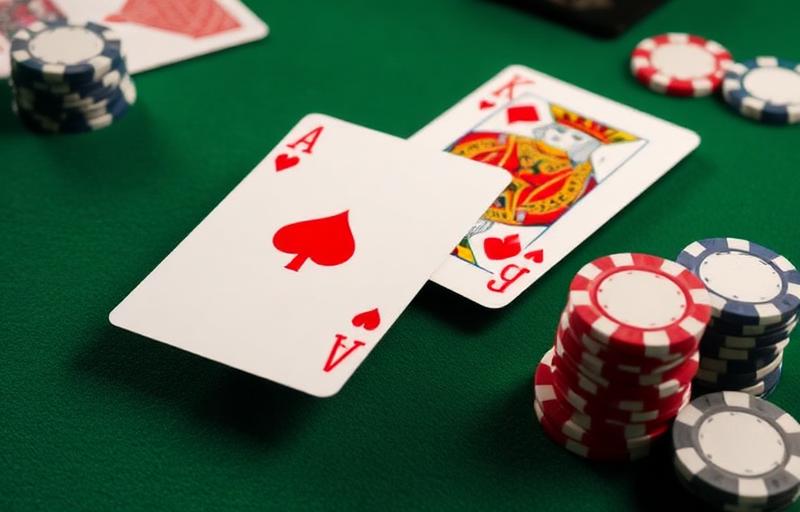
A "blackjack" — an ace paired with any 10-value card as your first two cards — is the strongest hand possible.
The Flow of a Hand
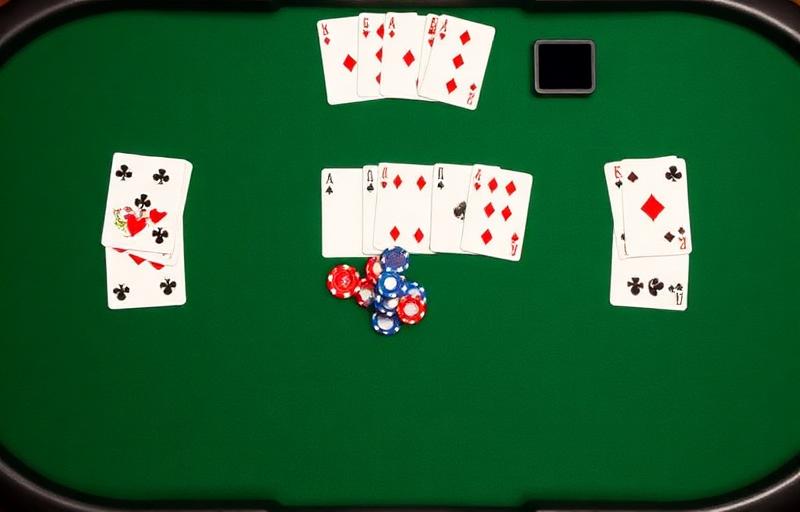
1. You receive two cards face up 2. The dealer receives one card face up and one face down (American rules) 3. You decide your action: Hit, Stand, Double or Split 4. Once every player has acted, the dealer reveals and completes their hand 5. The hand closest to 21 wins; identical totals (a push) return your stake
Core Player Actions
Hit — Request another card. You risk busting but may strengthen your hand.
Stand — Keep your current total. No further cards are dealt.
Double — Double your stake and receive exactly one more card. Optimal on strong starting hands.
Split — When your first two cards form a pair, split them into two independent hands, each receiving a new second card.
Key Strategy Guidelines
- Always stand on a hard 17 or higher - Always hit on a hard 8 or lower - Double on 11 when the dealer shows 2–10 - Always split aces and eights - Never split tens or fives - Hit on a soft 17 (ace + 6)
Mistakes New Players Commonly Make
Taking insurance (a statistically poor bet), relying on gut feeling rather than strategy, and increasing stakes to chase losses are the errors new players fall into most often.
Frequently asked questions
When following optimal basic strategy, the house edge sits at around 0.5%. Without strategy, it can rise to 2% or more.
From a statistical standpoint, no. Insurance is a side bet with a house edge of around 7.4%, making it a losing wager over time.